


Early season has always been a tricky time for New Zealand ski fields. With the reliance on snow and colder temperatures, knowing when to open is often up to Mother Nature
That’s why Snow Factories are becoming one of the big talking points heading into winter 2026.
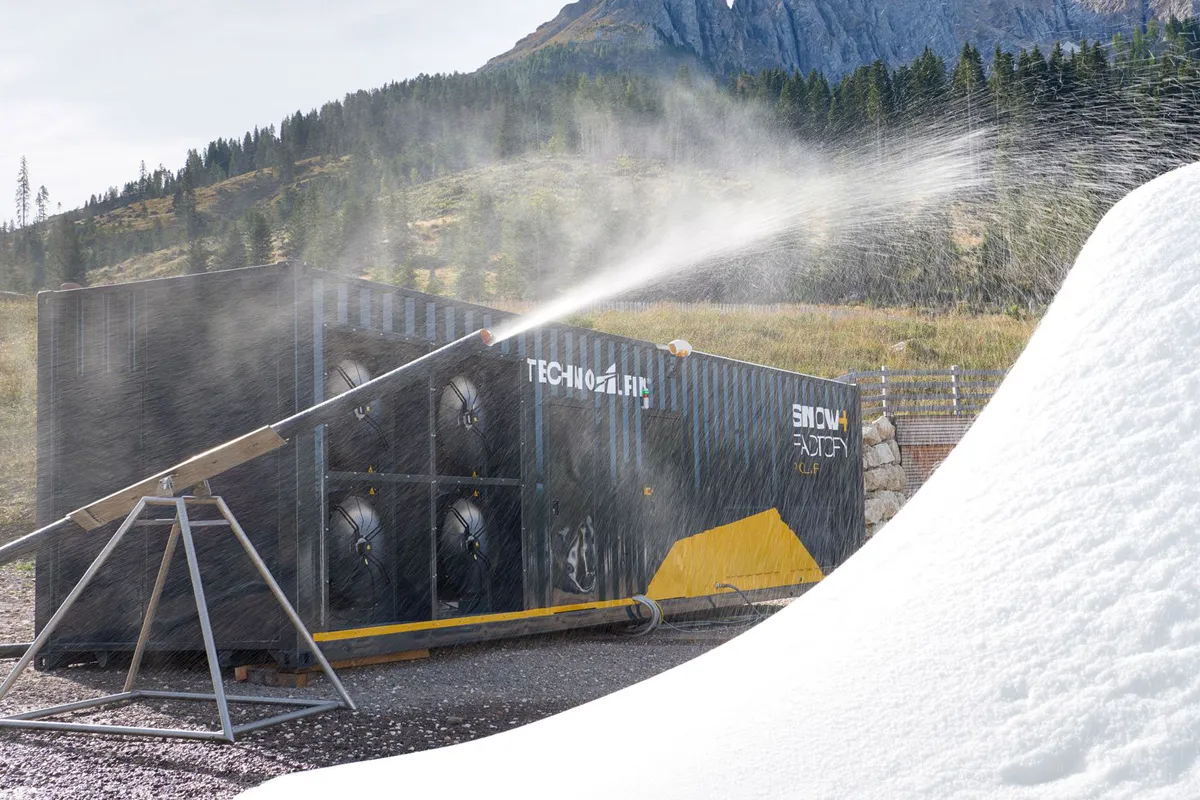
Snow Factories are essentially pre-built snowmaking units – often looking similar to shipping containers – that can be installed where needed around a ski field and produce snow in much warmer temperatures than traditional snow guns.
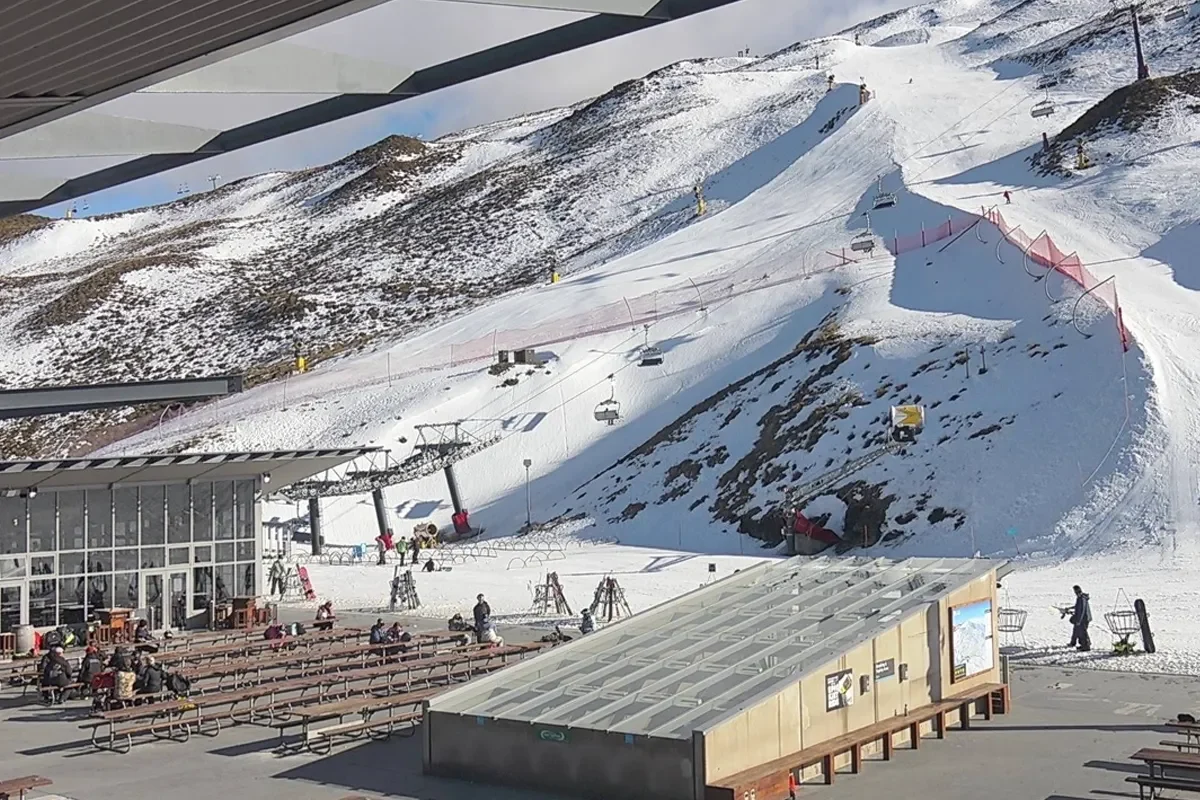
Whakapapa has already been using the technology since 2017, and now Coronet Peak is bringing its own Snow Factory, the first in the South Island, online ahead of winter.
It probably isn’t a coincidence both ski fields are now planning very early openings, with Whakapapa and Coronet Peak both aiming to get people into the snow from the end of May.
While that doesn’t necessarily mean full mountain skiing straight away, it does allow beginners, families and first-time visitors to experience the snow much earlier in the season.
The snow factories are already in operation
Snow Factories are not replacing traditional snowmaking or natural snowfall
What this technology does is help bridge those marginal early season periods where temperatures might be cool, but not quite cold enough for traditional snowmaking systems. It allows ski fields to start building snow earlier than they traditionally could.
Globally, Snow Factory systems have been appearing more regularly at resorts wanting greater confidence around early season operations, especially lower mountain terrain and beginner facilities.
Now we’re starting to see that shift happen here in New Zealand.
How do Snow Factories work?
- Unlike traditional snowmaking systems, Snow Factories do not rely entirely on freezing outside air temperatures to produce snow.
- According to TechnoAlpin, the systems use refrigeration technology to create snow internally, allowing them to continue operating in much warmer conditions than traditional snow guns.
- The snow produced is generally denser and more durable than natural powder snow, making it useful for building early-season base coverage.
- The technology is designed to support traditional snowmaking systems, not replace them.
Editor’s Note: Technology like this may become increasingly common across New Zealand ski fields over the next few years, particularly as early season conditions become more unpredictable.