
Early season has always been a tricky time for New Zealand ski fields. With the reliance on natural snow and colder temperatures, sometimes Mother Nature just doesn’t play ball

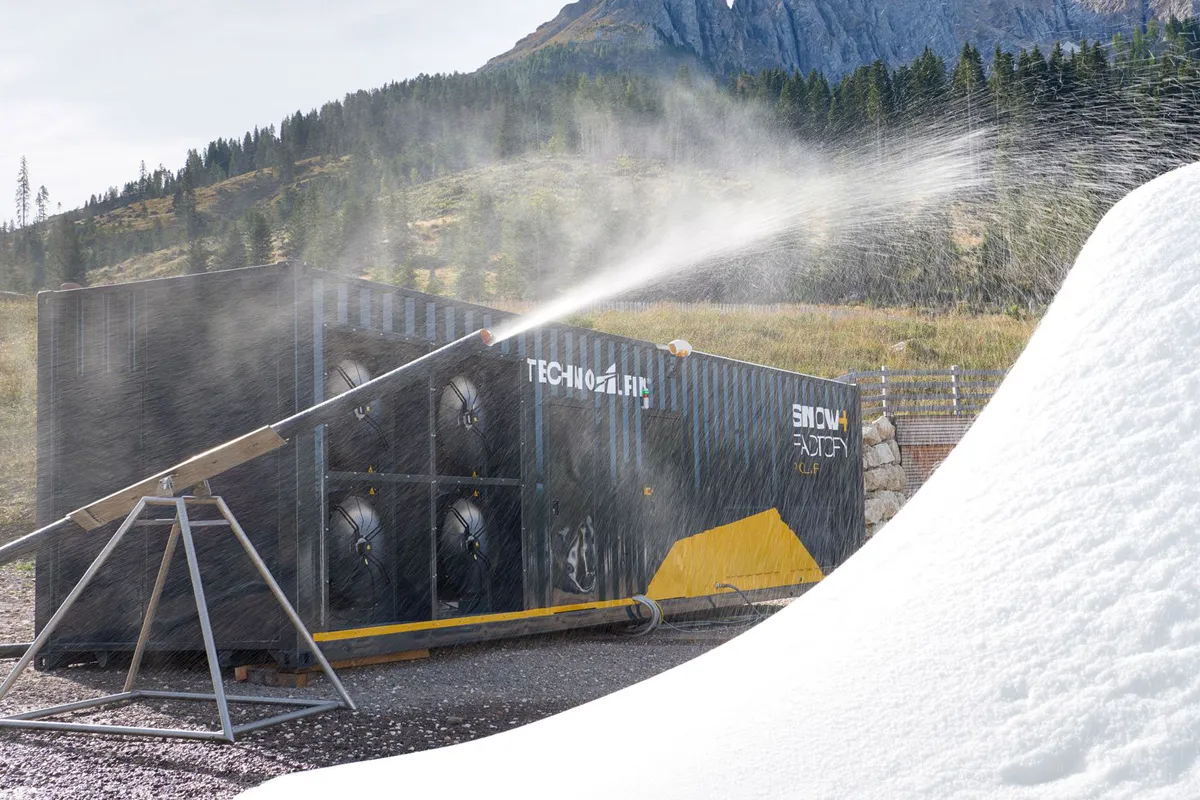
That’s why Snow Factories are one of the more interesting developments heading into the 2026 season.

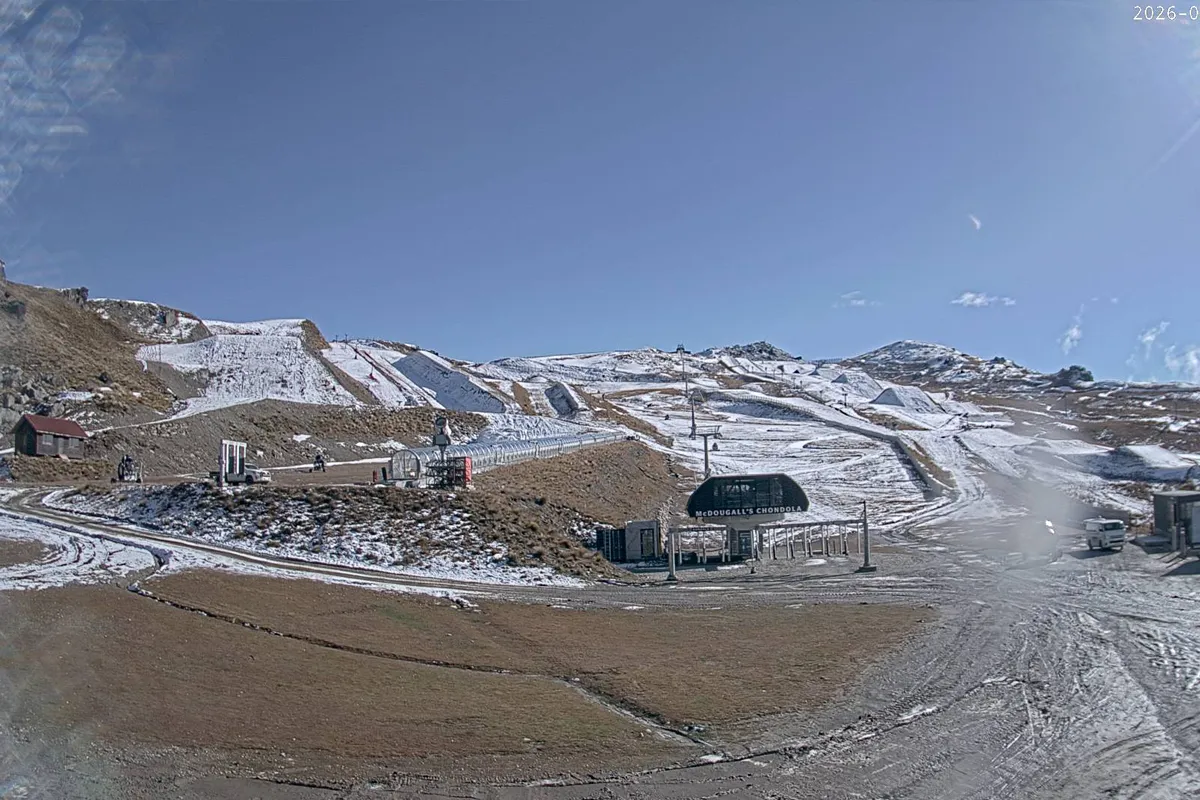
Whakapapa has already been using the technology since 2017, and now Coronet Peak is bringing its own Snow Factory online ahead of winter. It isn’t a coincidence both ski fields are now planning very early openings, with Whakapapa and Coronet Peak both aiming to get people onto the snow from the end of May.

The technology allows ski fields to start building reliable base snow on lower mountain beginner areas and snow play zones much earlier than they traditionally could.

While that doesn’t necessarily mean full mountain skiing straight away, it does allow people to get into the snow earlier – especially beginners, families and first-time visitors wanting to experience the mountains before winter fully kicks in.

Whakapapa Sledding on the mountain
Whakapapa is developing a new snow experience in Happy Valley called “Snowland”.

Snow Factories are not replacing traditional snowmaking or natural snowfall

Ski fields will still rely heavily on both throughout winter.

What this technology does is help bridge those marginal early season periods where temperatures might be close, but not quite cold enough for traditional snowmaking systems to really fire properly. It allows ski fields to start building snow earlier than they traditionally could.

Globally, Snow Factory systems have been appearing more regularly at resorts wanting greater confidence around early season operations, especially lower mountain terrain and beginner facilities.

Now we’re starting to see that shift happen here in New Zealand.

How do Snow Factories work?

  • Unlike traditional snowmaking systems, Snow Factories do not rely entirely on freezing outside air temperatures to produce snow.
  • According to TechnoAlpin, the systems use refrigeration technology to create snow internally, allowing them to continue operating in much warmer conditions than traditional snow guns.
  • The snow produced is generally denser and more durable than natural powder snow, making it useful for building early-season base coverage.
  • Snow Factories are mainly used on lower mountain learner slopes, beginner terrain and snow play areas.
  • The technology is designed to support traditional snowmaking systems, not replace them.