
Something exciting is happening across New Zealand’s ski industry
As skiing and snowboarding remain hugely popular in New Zealand, many of the country’s major ski fields are investing in ways to make the mountain experience even better – adding new terrain, modern lifts, improved base facilities, better access and more snowmaking.
We’ve been skiing in New Zealand for a long time and have seen plenty of changes across the mountains over the years – new lifts, better facilities, improved snowmaking and ski areas gradually expanding their terrain.
What feels different now is the scale of some of the investment. These are some of the largest developments we have seen. Projects such as Cardrona’s Soho Basin, the proposed Doolans expansion at The Remarkables and Mt Hutt’s new base-area development point to another significant period of change for New Zealand skiing.
Put all of this together and it shows considerable confidence in the future of skiing in New Zealand.
Cardrona Expands into Soho Basin
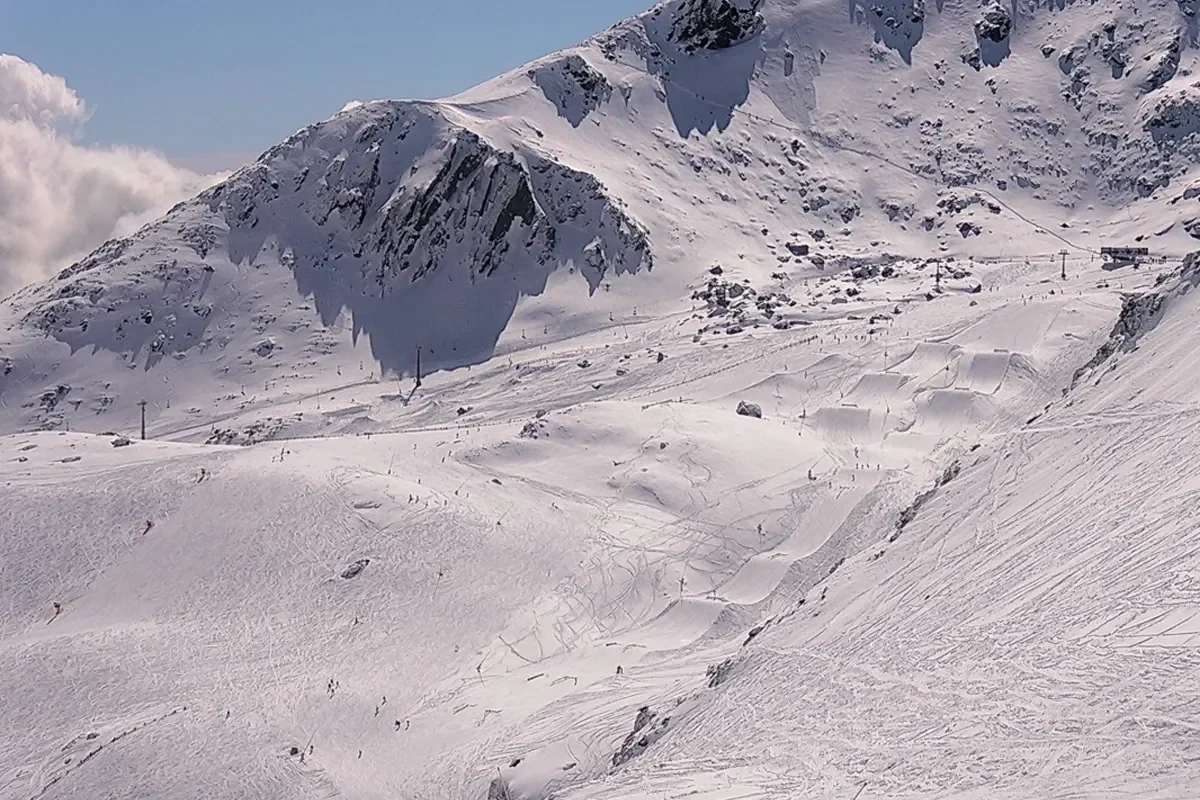
In winter 2025, the ski area opened Soho Basin, adding 150 hectares of new terrain, a new high-speed six-seater chairlift and another 380 vertical metres of skiing. The expansion took Cardrona to more than 615 hectares of skiable terrain, making it New Zealand’s largest ski area by terrain when Soho opened.
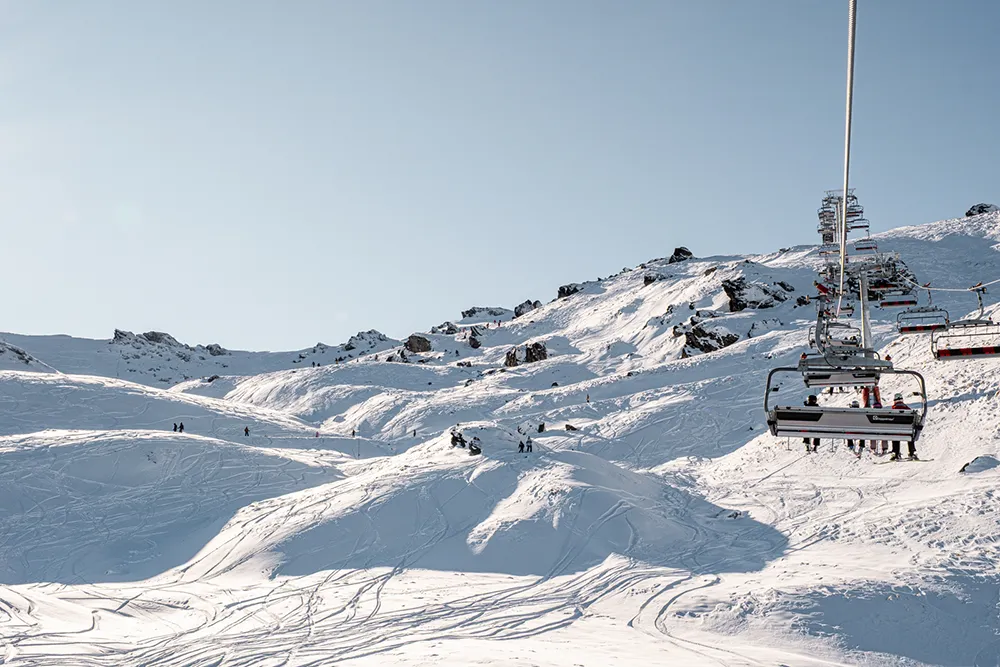
Soho is aimed at intermediate and advanced skiers and snowboarders, with a combination of groomed trails and off-piste terrain.
But the development was about more than simply adding new runs. By opening another basin, Cardrona increased the amount of terrain available, spread skiers across a larger footprint and gave the mountain considerably more capacity.
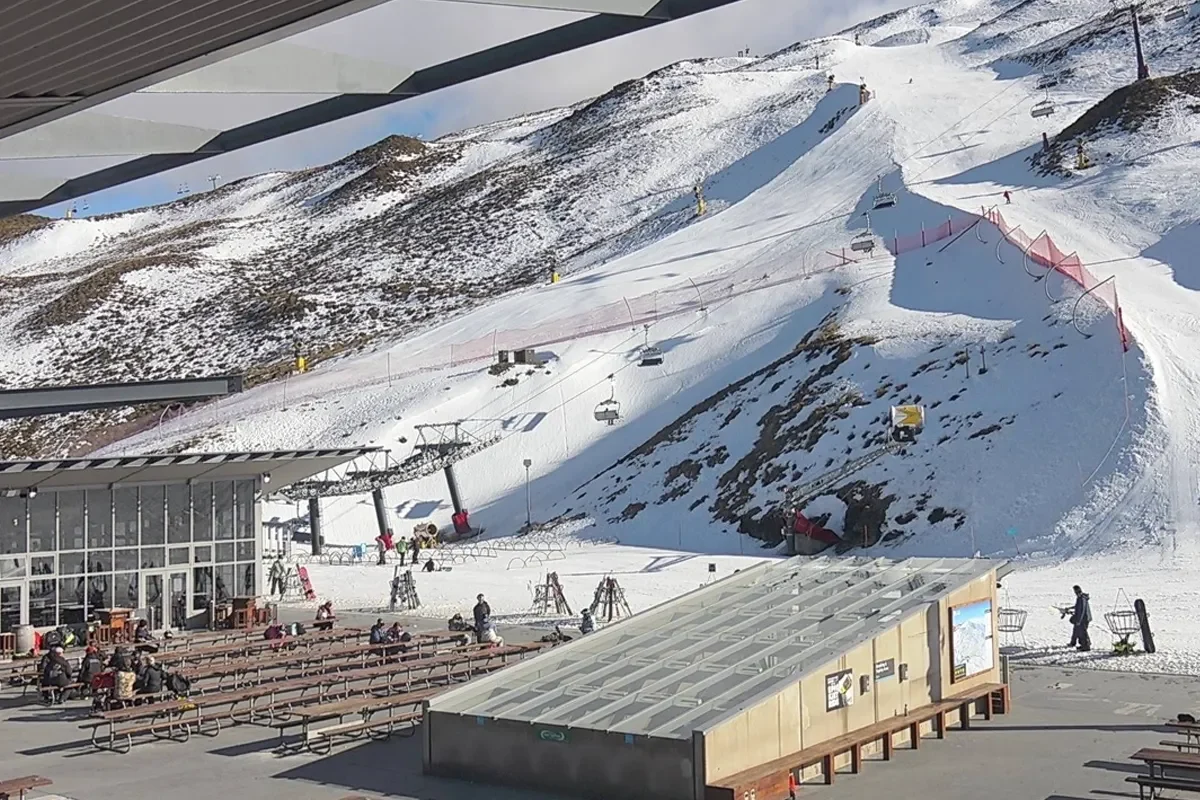
The Soho development is just one part of Cardrona’s wider investment, which has also included a new T-bar, new dining and retail facilities, and continued development of its terrain parks.
The Remarkables could become New Zealand’s largest ski area

The next major terrain expansion could happen at The Remarkables. NZSki is proposing to expand the ski area into neighbouring Doolans Basin, adding another 262 hectares of skiable terrain.
If approved and completed, The Remarkables would grow to around 711 hectares, overtaking Cardrona and becoming New Zealand’s largest ski area by skiable terrain.
At the centre of the proposal is a 2.7-kilometre gondola connecting the existing Rastus Burn ski area with Doolans Basin. The development would also include a second base lodge, new learner terrain, additional beginner, intermediate and advanced skiing, an on-mountain café, more parking and increased bus and shuttle capacity.
The ski area’s daily capacity could eventually increase to around 6,000 guests.
There is also an important difference in the terrain itself.
Much of Doolans Basin is south-facing, which means it receives less direct sunlight than north-facing slopes. That could potentially help the new terrain retain snow for longer through the season.
However, it is important to remember that Doolans remains a proposal. It is a significant project, but not yet a completed expansion.
Mt Hutt Invests $12 Million to expand base area
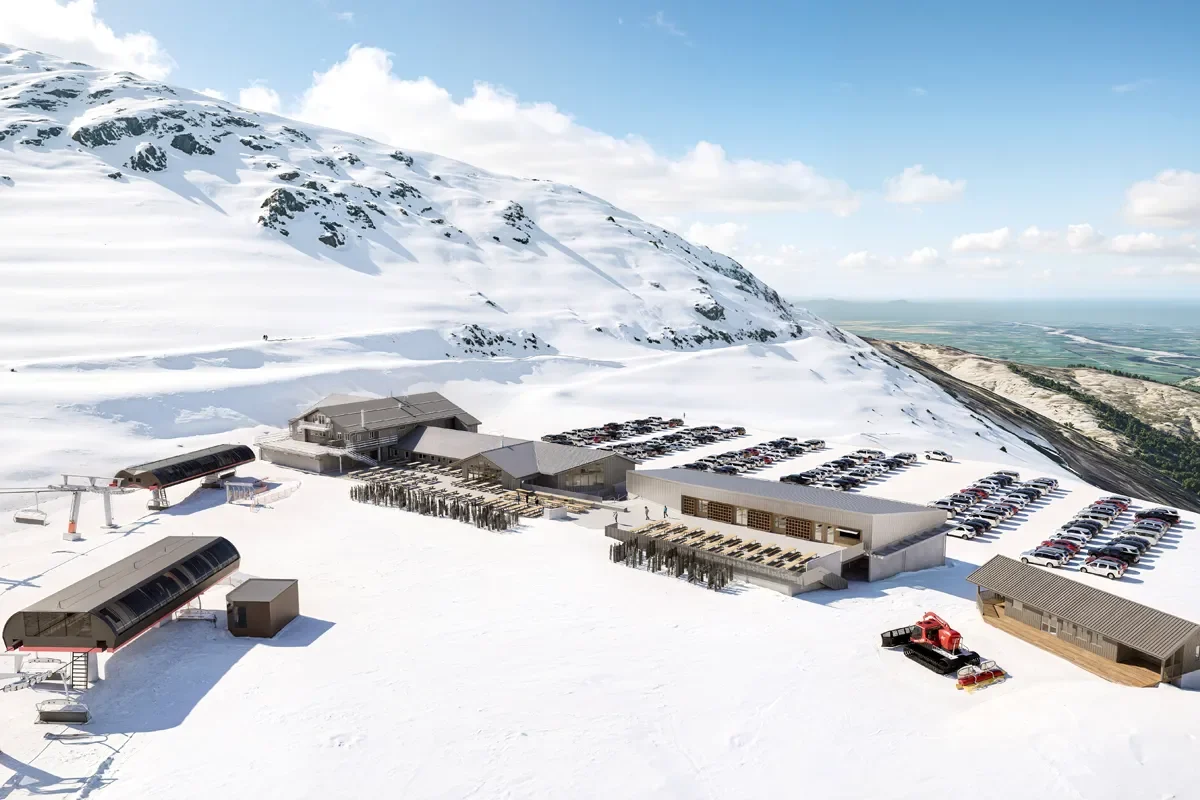
Mt Hutt has just announced a $12 million expansion of its base building area, with construction taking place over summer 2026/27 and completion planned ahead of winter 2027.
The project will almost triple the size of the outdoor sun deck, increasing it from approximately 430 square metres to 1,300 square metres. The entire deck will also be heated.
Mt Hutt will also add a new ground-floor toilet block, improved heated access steps to snow level, another café and food outlet, and additional storage for guests and staff.
Mt Hutt Ski Area Manager James McKenzie says:
“We have a great base lodge that works really well for us operationally, but we’re now at the point where adding more space and seating will make a real difference, particularly on those blue bird days, after new snow, when everyone wants to be up the mountain.”
Ashburton-based Bradfords Building has been appointed as principal contractor, with work starting once the 2026 ski season finishes.
Building better snow seasons
The investment happening around New Zealand is not limited to new terrain, lifts and buildings. Ski areas are also continuing to invest in snowmaking and snow-production technology, helping give them more control during warmer or less predictable periods.

Coronet Peak introduced a new Snow Factory for the 2026 season, allowing it to manufacture snow even when temperatures are unsuitable for conventional snow guns.
That helped the mountain open dedicated beginner terrain early in the season while natural snowfall remained limited.
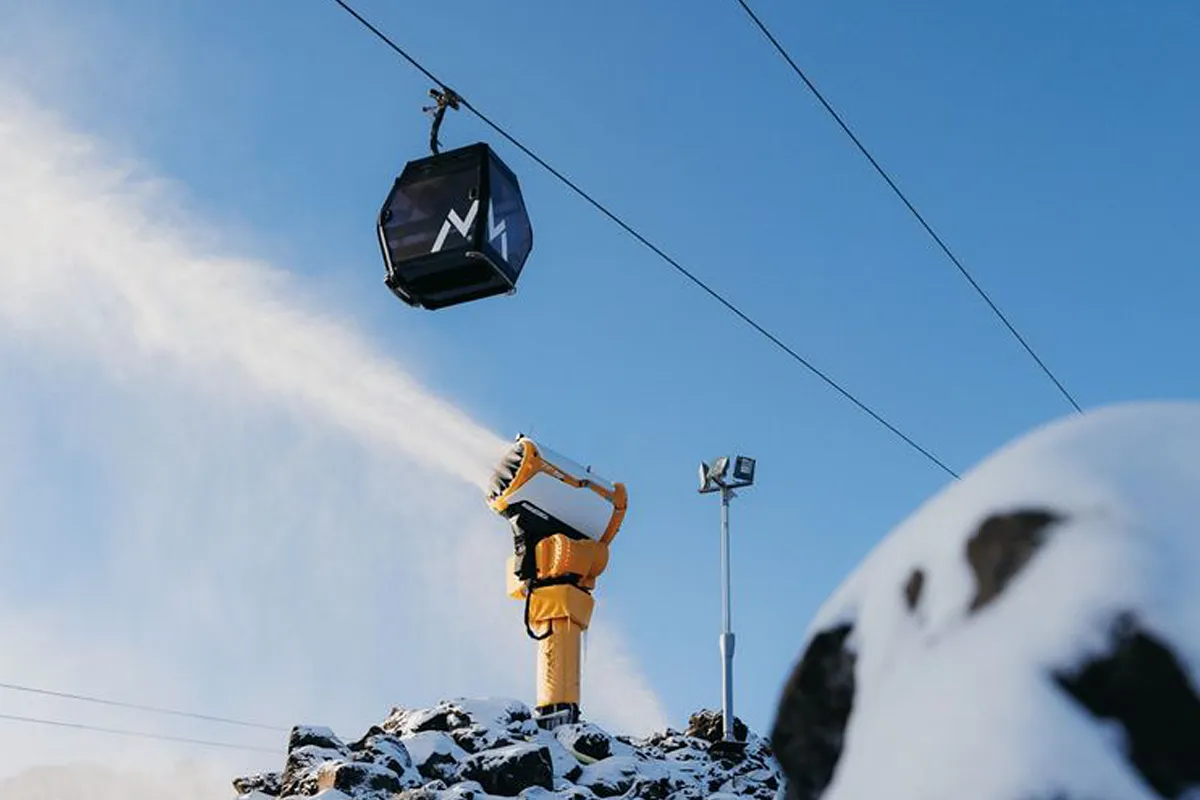
Whakapapa has also been investing in its snowmaking network, including 10 new automated snow guns that increased snowmaking capacity by around 20%. That sort of investment will become increasingly important alongside the bigger terrain and infrastructure projects.
The industry is investing not only in making ski fields bigger, but also in making them more reliable and resilient.
Could New Zealand get another ski area?
Could there be a ski area on Bowen Peak?
Bowen Peak sits above the Fernhill side of Queenstown and forms part of a much larger proposed development involving housing and an aerial transport system. A later stage of that concept has included the possibility of a new ski area on Bowen Peak. But this needs to be treated very differently from Soho or even Doolans.

There are more developed plans around the wider transport and property proposal, but the ski field itself remains a possible later phase rather than a confirmed development.
The original analysis describes it as a possibility rather than a certainty.
For now, it is an interesting indication of just how much development is being considered around the
Queenstown ski industry rather than a new ski field we should expect to see opening soon.
What does all this mean for New Zealand skiing?
New Zealand skiing is growing, and the investment we’re seeing now is about making that experience better.
More terrain, better lifts, improved base facilities and easier access all make a difference to the people actually heading to the mountains. Just as importantly, ski areas are investing in snowmaking and snow-production technology to make the season more reliable.
Coronet Peak demonstrated that clearly in 2026. Its new Snow Factory allowed beginner skiing and snowplay to open from “29 May – earlier than ever before” – even before the full mountain opened for the season.
Then there are the Mt Ruapehu ski areas
Both Whakapapa and Tūroa have entered new chapters under new operators, and they need time to establish themselves, understand exactly what their mountains require and work out where future investment will have the greatest impact.
Whakapapa is now operated by Whakapapa Holdings Limited following the granting of a new 10-year concession in 2025, while Tūroa has already outlined plans that include future lift improvements, year-round facilities and all-weather snowmaking technology.
For both mountains, snowmaking and lift infrastructure are likely to remain important parts of that future development.
For skiers and snowboarders, all of this is good news
It means more terrain to explore, better facilities when you arrive, improved access to the mountains and greater investment in creating reliable snow conditions throughout the season.
New Zealand already has some incredible places to ski. The investment happening now suggests the experience could become even better over the next decade.
We’re looking forward to seeing where it all goes.