

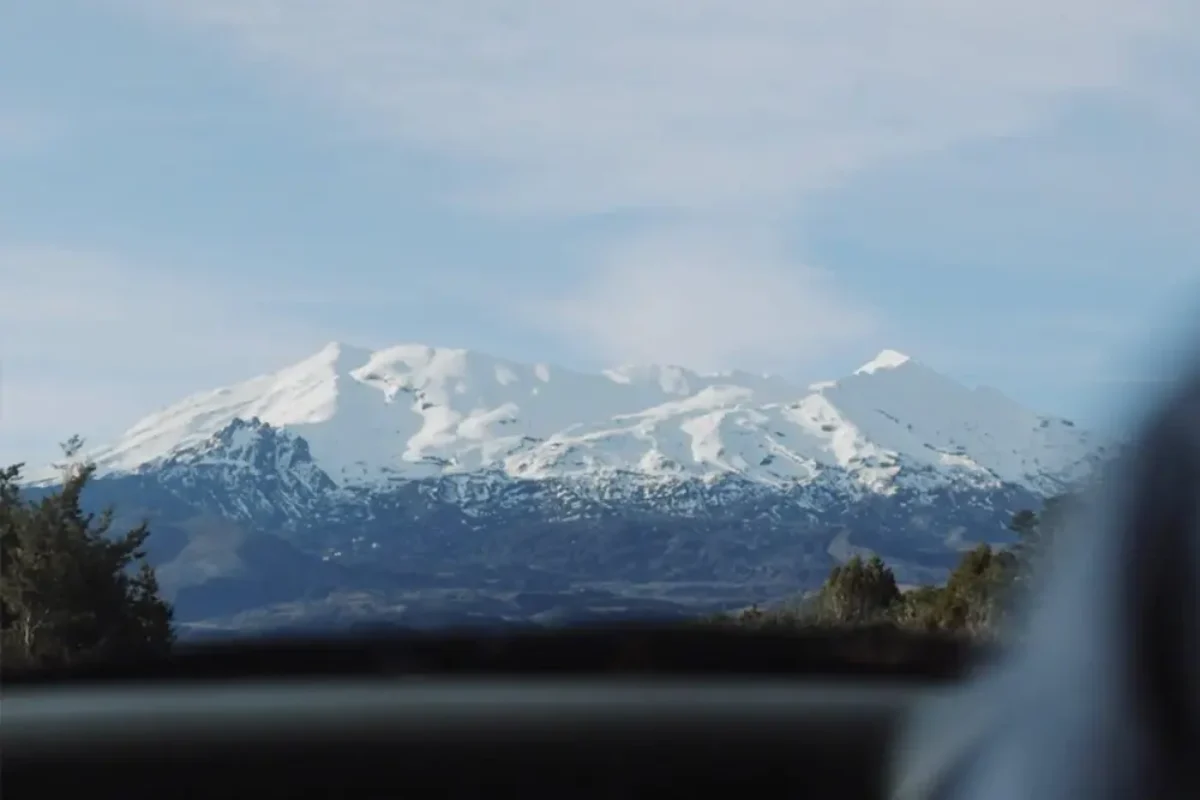
Yes, it snows on Mt Ruapehu. Winter snowfall covers the mountain and provides snow for skiing at Whakapapa, Tūroa and Tūkino
Yes, it snows on Mount Ruapehu, with snow typically falling from autumn through late spring. Snow can remain into spring, although the amount and coverage vary from year to year.
For visitors, the main thing to understand is that snow on the mountain doesn’t necessarily mean snow in the surrounding towns, or that every ski area is open. Where you find it depends on the time of year, recent weather and how far up the mountain you go.
Ski Fields on Mt Ruapehu
When does it snow on Mt Ruapehu?
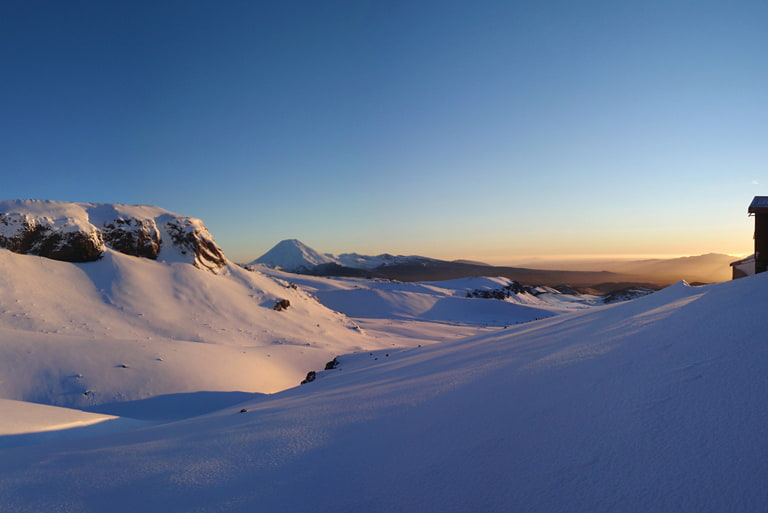
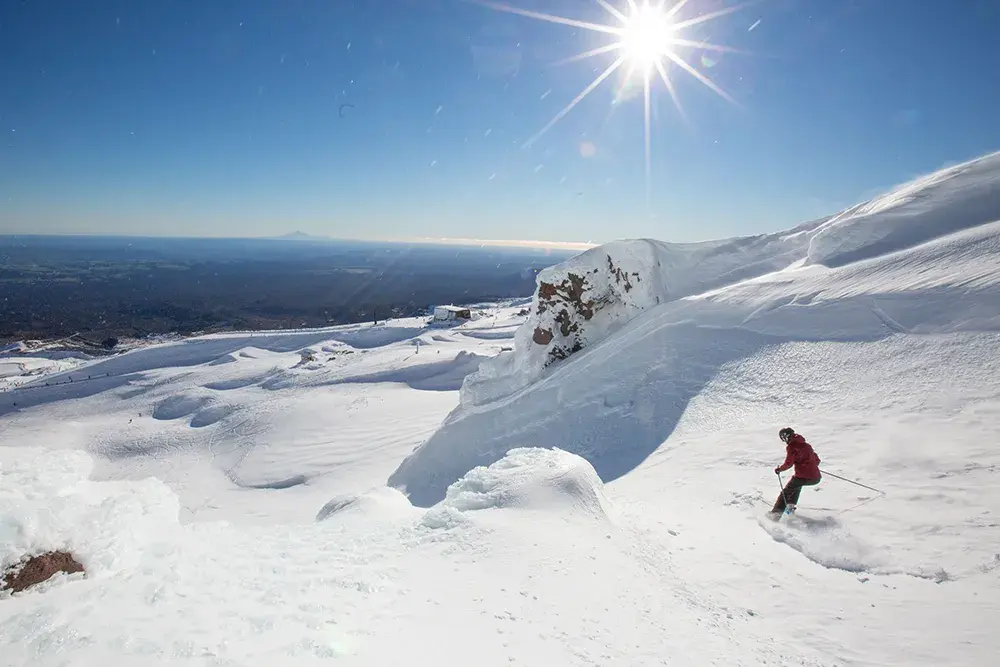
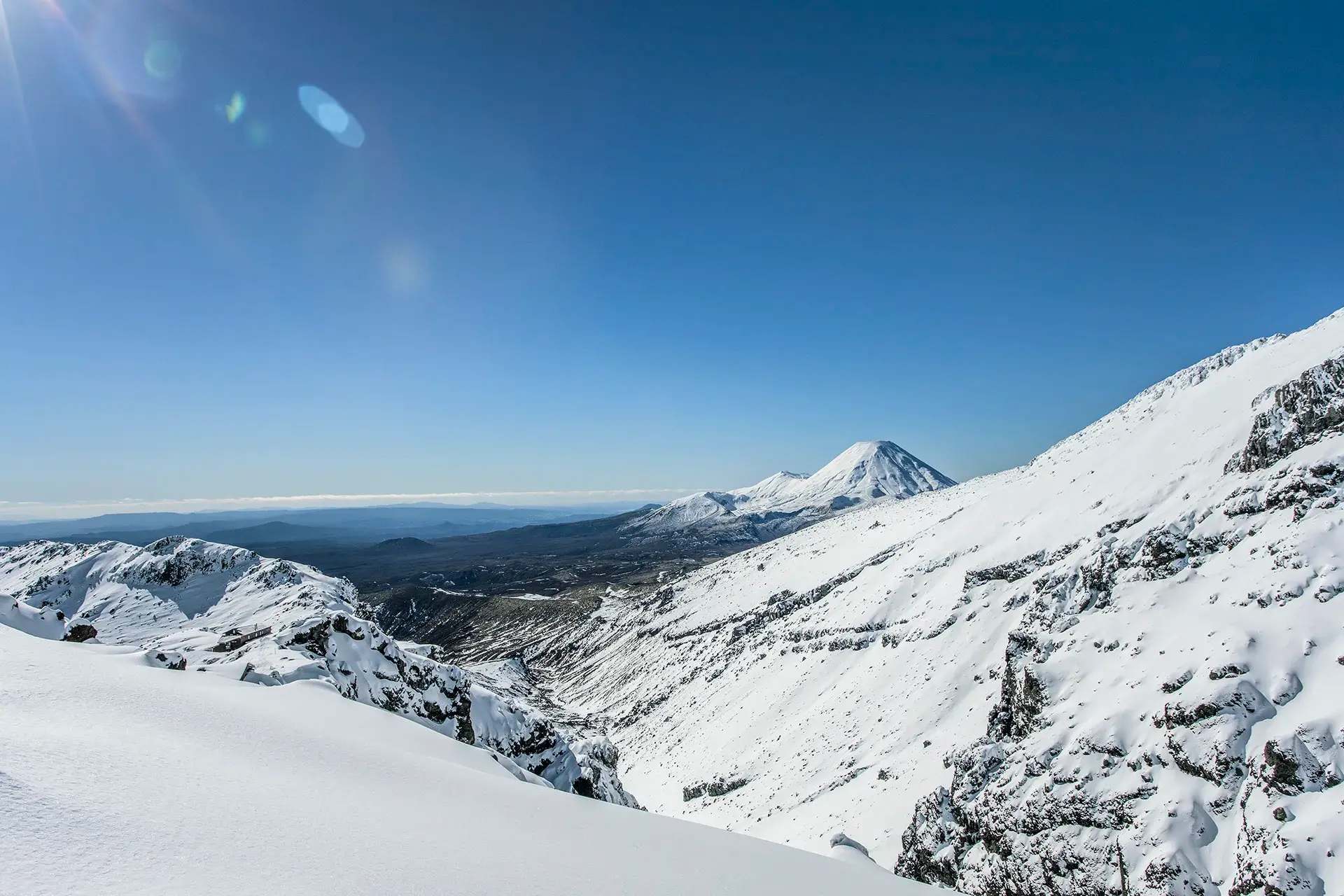
Winter is the main season for snow on Mt Ruapehu, which can be from autumn through late spring. As snow builds up, it fills the mountain’s volcanic gullies and covers rocky terrain, creating the slopes used by skiers and snowboarders.
Whakapapa describes this seasonal snow coverage as developing across its terrain from June through October.
Opening dates depend on conditions. A fresh dusting can make the mountain look wintry, but ski areas need enough settled snow to prepare runs and open terrain safely.
| Season | Months | General snowfall | Snow coverage and visiting |
|---|---|---|---|
| Autumn | March, April and May | Early snowfalls can occur as colder weather arrives. A fresh dusting does not necessarily create a lasting snow base. | Coverage is variable. Snow may be visible on the upper mountain while lower slopes remain exposed. Natural snowfall does not guarantee that ski terrain is open. |
| Winter | June, July and August | The main snowfall season. Repeated snowfalls can build the seasonal snowpack used for skiing and snowboarding. | Snow fills volcanic gullies and covers rocky slopes. Mt Ruapehu has three ski areas: Whakapapa, Tūroa and Tūkino. Available terrain depends on snow coverage and operating conditions. |
| Spring | September, October and November | Snowfall can continue during cold weather. The winter snowpack can remain on upper slopes as temperatures rise. | Spring skiing can continue into October when conditions allow. Lower slopes become patchier as snow melts. Snow remaining in November does not mean ski lifts are operating. |
| Summer | December, January and February | Summer is outside the main snowfall season. Widespread winter snow coverage retreats. | Glaciers and areas of snow and ice remain on the upper mountain. Summer does not mean the summit is snow-free or suitable for ordinary walking. |
Is there still snow in spring?
Oh Yes, snow on Mt Ruapehu can last right through to October, offering great spring skiing.
Coverage and ski area operations are subject to weather conditions, snow levels. For example, snow may remain higher up on the mountain even when lower slopes have become patchy or lifts have finished operating for the season.
Does Mt Ruapehu have snow in summer?
No it generally doesn’t snow on Mt Ruapehu during the summer months, although there are rare exceptions – there are generally in Autumn.
Mt Ruapehu isn’t completely free of snow and ice in summer. The mountain has glaciers, and DOC advises that snow and ice can still require mountaineering equipment above the snowline during summer climbs.
Summer visitors should therefore avoid assuming that warmer weather means the upper mountain is an easy walking destination.
Where can you see snow on Mt Ruapehu?
Mt Ruapehu has three ski areas: Whakapapa, Tūroa and Tūkino. They provide different ways to experience the mountain, from skiing and snowboarding to sightseeing and designated snow activities when available.
Before travelling, check the latest Whakapapa snow report or Tūroa snow report. Look at the webcams, road conditions and operating information as well as the snow depth.
That will give you a much clearer picture of what you can actually see and do on the day.